

Why some developments sell out before they're built, and others Don’t
Press/ Why Some Developments Sell Out Before They're Built, and Others Don't - 5 min read - July 2026
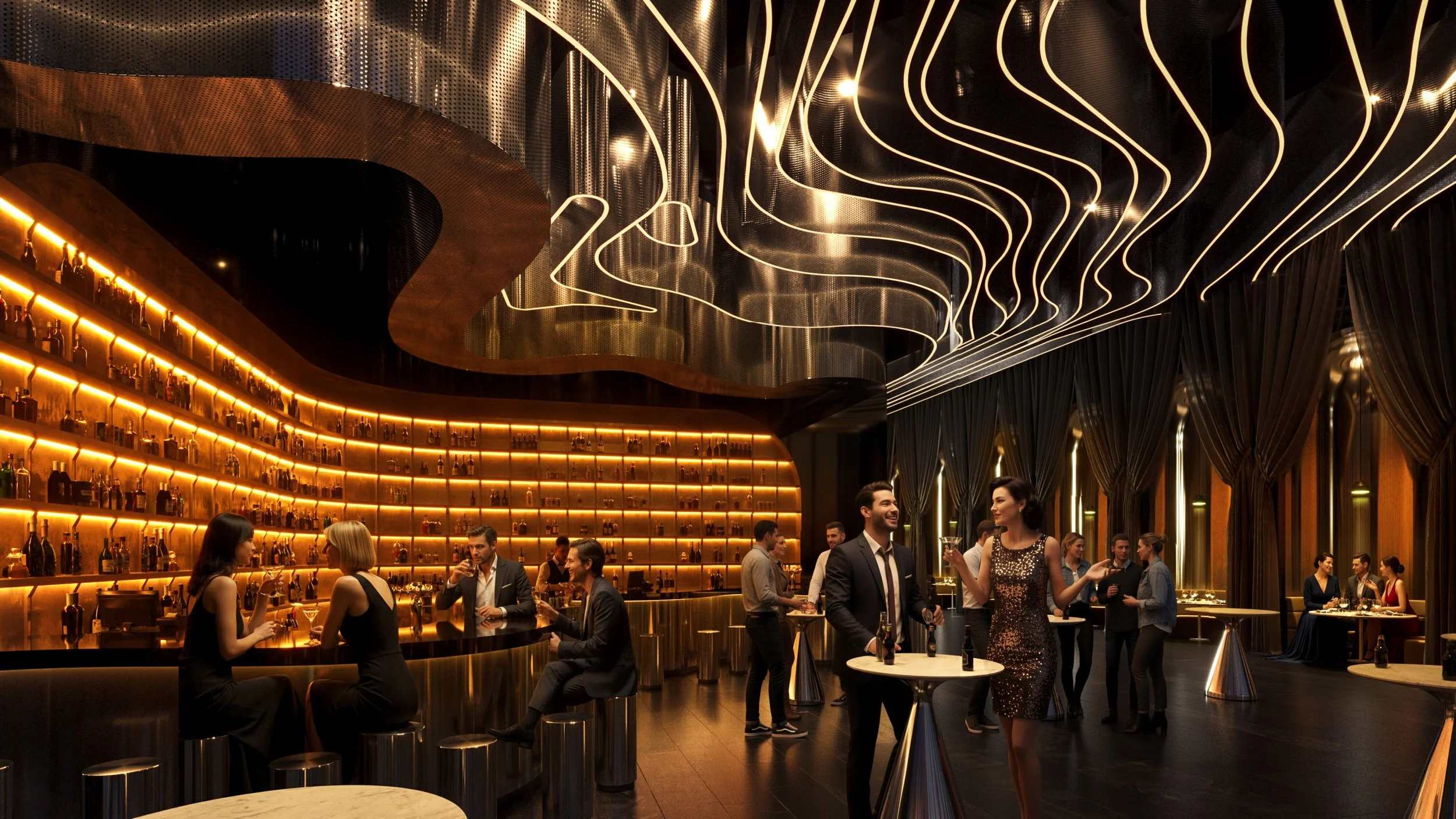
If you're marketing a real estate project that doesn't exist yet, you're really selling a feeling. And most campaigns fail not because the building is weak, but because the images never made buyers feel anything at all.
Here's the pattern we keep seeing. A developer gets renders that technically look great, glass reflects, the sky is blue, the lighting is soft, and the campaign still underperforms. Leads are slow. Buyers hesitate. Nobody can say exactly why.
Nine times out of ten, it's the same reason: the visuals answered "what does it look like" and never answered "why should I buy it."
Those are different questions, and only one of them sells units.
Quick self-check. If you can't answer these before your next campaign, that's likely where your marketing is leaking:
Do you know exactly who you're trying to convince, not just "buyers," but the specific person?
Can you name your project's single biggest selling point in one sentence?
Do your images address the one objection every buyer has, before they ask it?
Would a stranger scrolling past feel something specific, or just "nice building"?
If any of those feel shaky, keep reading. This is the fix.
AI has made it cheap to produce a technically convincing image. That's not a threat to visualization, it's a threat to generic visualization. When anyone can generate a decent-looking render in seconds, a decent-looking render stops being a differentiator. It becomes the baseline everyone's competing at.
Which means the projects that stand out now aren't the ones with the sharpest render. They're the ones where every image was built to move a buyer toward a decision.
That's a strategy problem, not a software problem. And it's solved before anyone opens a 3D file.
The real cost of generic renders
What to fix before your next campaign
1. Know who you're actually selling to.
A first-time buyer, a family, and an investor are not the same audience wearing different clothes. They need different images entirely, different light, different framing, different emotional angle. "Buyers" isn't a target. It's a placeholder for not having decided yet.
2. Name the one thing that sells this project.
Every strong campaign has a single, sharp selling point doing the heavy lifting. Location, a view, a courtyard, the light in the mornings. If you can't say it in one sentence, your images can't say it either, and they'll end up showing everything while emphasizing nothing.
3. Answer the objection before it's asked.
Every project has a weak point buyers quietly worry about. Too far out. Too expensive for the square footage. Not enough light. Good visuals don't hide that concern, they get ahead of it.
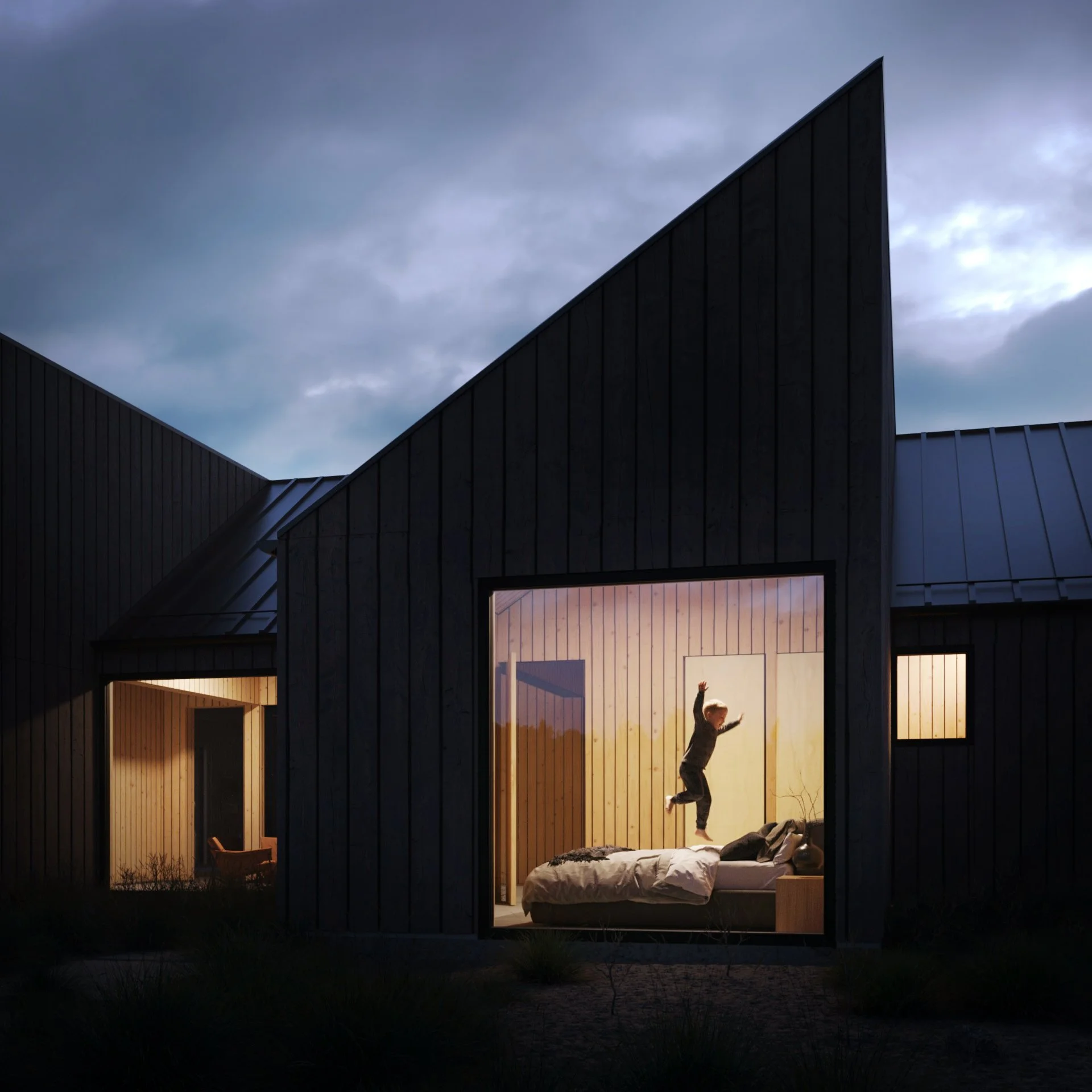
4. Match the image to where it's actually seen.
A billboard, a website hero, and an Instagram post are not the same tool, even if they're technically the same building. Using one image everywhere is a missed opportunity to speak to buyers at every stage, from first curiosity to final decision.
5. Keep the visual language consistent.
If the lighting, weather, and mood shift from one image to the next, the whole project starts to feel unreal, even if each individual render is beautiful. Buyers don't judge one image. They experience the whole campaign, and consistency is what makes it feel trustworthy enough to commit to.
6. Ask what decision each image needs to move.
Not "does this look good," but "does this make it easier for someone to say yes." That's the only metric that actually matters for a pre-sale campaign.
The takeaway

A render is not the product. It's the answer to a question someone hasn't consciously asked yet: should I trust this project enough to buy something that doesn't exist yet?
Studios that just produce images are competing on polish, and polish is now cheap. Studios that think about the decision behind the image are competing on something AI can't touch: judgment.
If your last campaign underperformed and you're not sure why, it's worth having someone look at the strategy behind the visuals, not just the visuals themselves. That's usually where the real answer is.
Not sure if your last campaign's renders were actually working against you? Get in touch, we'll look at what your images are doing and what they should be doing instead.

Norbert Dumitrescu is the founder of Storyform Studio, a premium architectural visualization practice based in Cluj-Napoca, Romania. He has spent ten years working with architects, developers, and visualization studios across Europe, US and UAE.
Other similar articles:
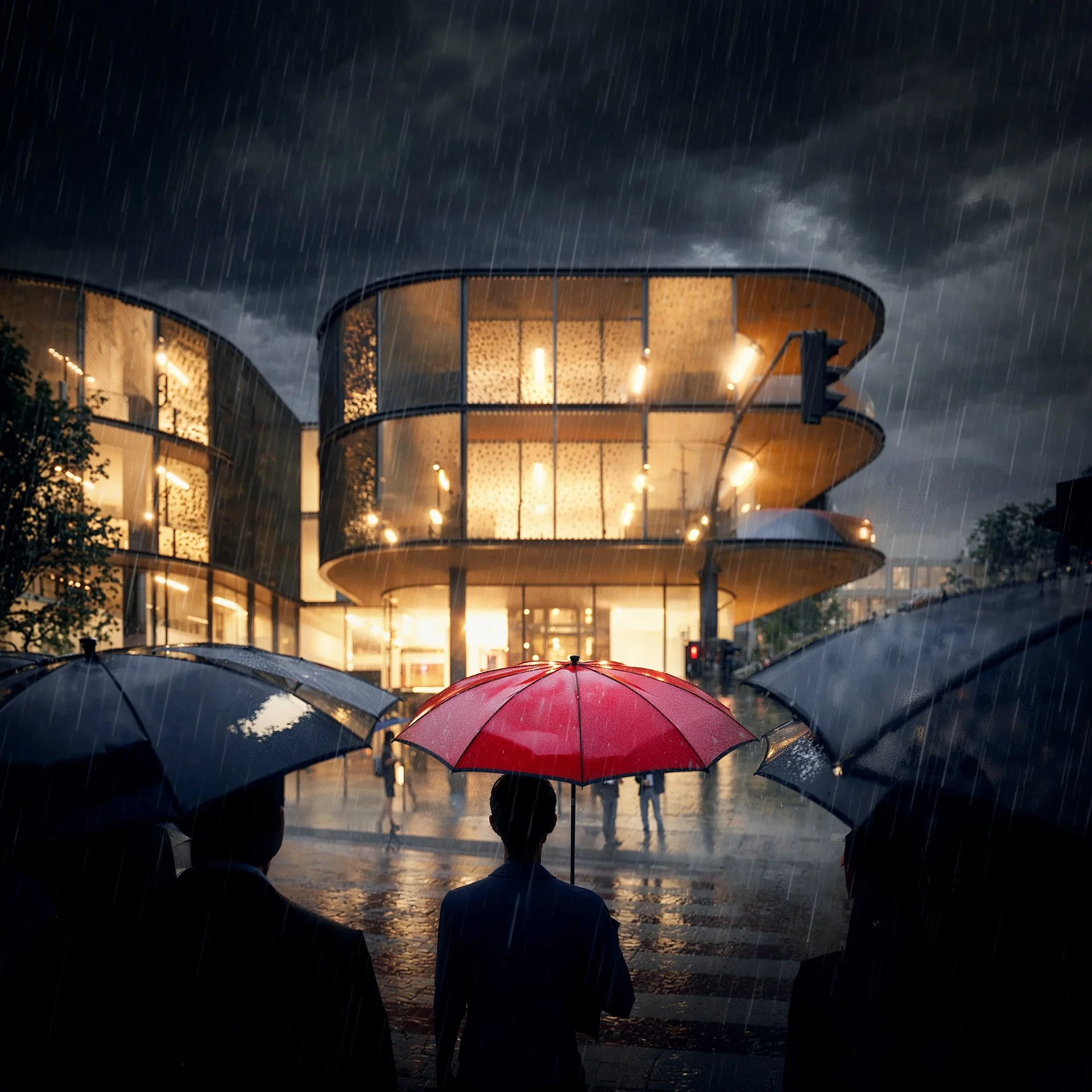
AI is here. It is not going away. And anyone still positioning themselves as being "against" it is having the wrong conversation. The more honest question, the one architects and developers should actually be asking, is not whether to use AI in architectural visualization, but where it earns its place and where it quietly misleads you.