
Press/ Why 10 Beautiful Renders Won't Sell Your Next Development Anymore - 5 min read - July 2026
Why 10 beautiful renders won't sell your next development anymore
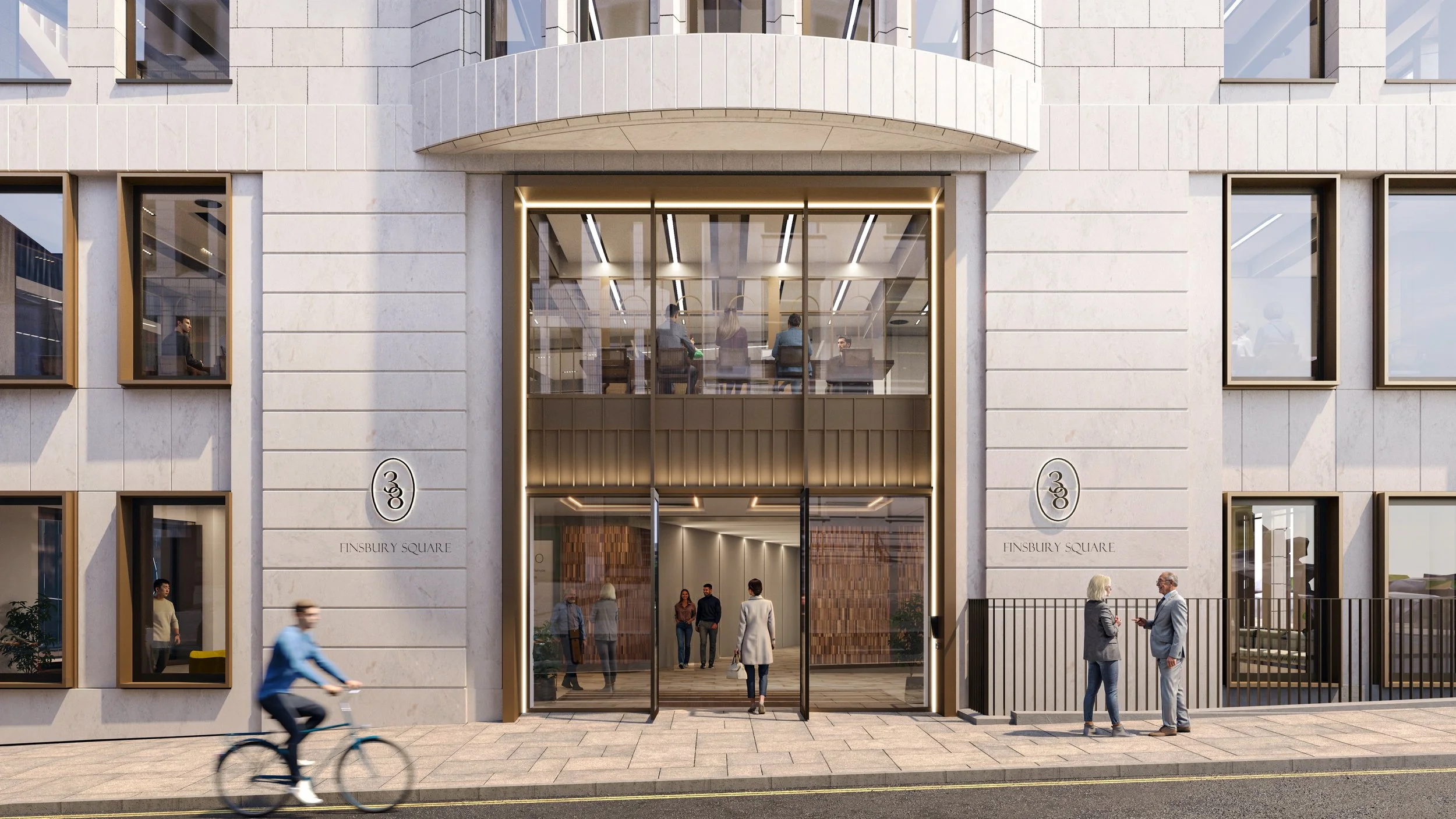
Twenty years ago, marketing a residential development was surprisingly simple. If you had a good location, a competitive price and a quality product, most of the work was already done. A billboard near the site, a brochure in the sales office and a handful of renders were often enough to start selling apartments. Buyers weren't comparing dozens of projects, they were comparing the few developments available in their city. Back then, a building didn't need much of a personality. It simply needed to exist.
Today, that world is gone. A buyer can sit on the sofa for twenty minutes and visit fifty different developments. Every website shows bright interiors, perfect sunsets and happy families drinking coffee on the balcony. Every project promises modern living, premium finishes and green spaces. After a while, something strange happens: everything starts to look the same. The problem isn't that developers aren't building beautiful projects anymore, it's that everyone is. When every project looks beautiful, beautiful stops being a competitive advantage.
Many developers think they're competing with the new project next door. They're not. They're competing with every project their future buyer has seen this week.
Imagine you're looking for a new home. You open a property portal and click through twenty developments. By the tenth one, can you remember the first? Probably not.
Now think about a project like Bosco Verticale in Milan. People remember it years after seeing it for the first time, not because of the renders and not because of the logo, but because someone can describe it in three words: "the vertical forest." Or think about The High Line in New York. People don't remember every apartment around it, they remember the idea, an abandoned railway transformed into a park. Great developments are remembered because they stand for something simple.
The real competition isn't across the street
Architecture hasn't changed. Rendering quality has never been better. Marketing budgets have grown. The biggest change is something much simpler: attention has become the most valuable thing in real estate. Your buyers scroll faster, compare more options and forget projects more quickly. Competition has also become far more fierce, and not just locally. A buyer in your city is comparing your development against projects on the other side of the world, and pricing gets compared the same way. When every option is one tab away, the cheapest or the most polished listing wins the click.
Trust is harder to earn in this environment, not easier. When everything already looks good, a beautiful image stops being proof of anything. Buyers have learned to be skeptical of perfect renders because they've seen hundreds of them. And there's another shift happening alongside all of this. As technology advances and more of life moves online, people crave more connection, not less. They want to see themselves in a place, they want to feel the people and the community around it, not just the finishes and the layout. If your renders don't show that human, social layer, they're missing the thing buyers are actually looking for. That means your job is no longer just to convince people, it's to be remembered and trusted. And those are three very different things.
So what's changed?
This is where we believe many marketing campaigns go wrong. The first conversation is often about deliverables. "We need ten exterior renders." "We need an animation." "Can we have a drone view?" Those aren't bad questions, they're just not the first questions.
Instead, try asking these: Who are we building this project for? What problem does it solve for them? Why would someone choose it instead of the one next door? What should they remember after seeing our website for thirty seconds?
This is the direction we need to take and visuals need answer these questions on their own. But in order to do that we need to build an IDENTITY
Before you order renders, answer this
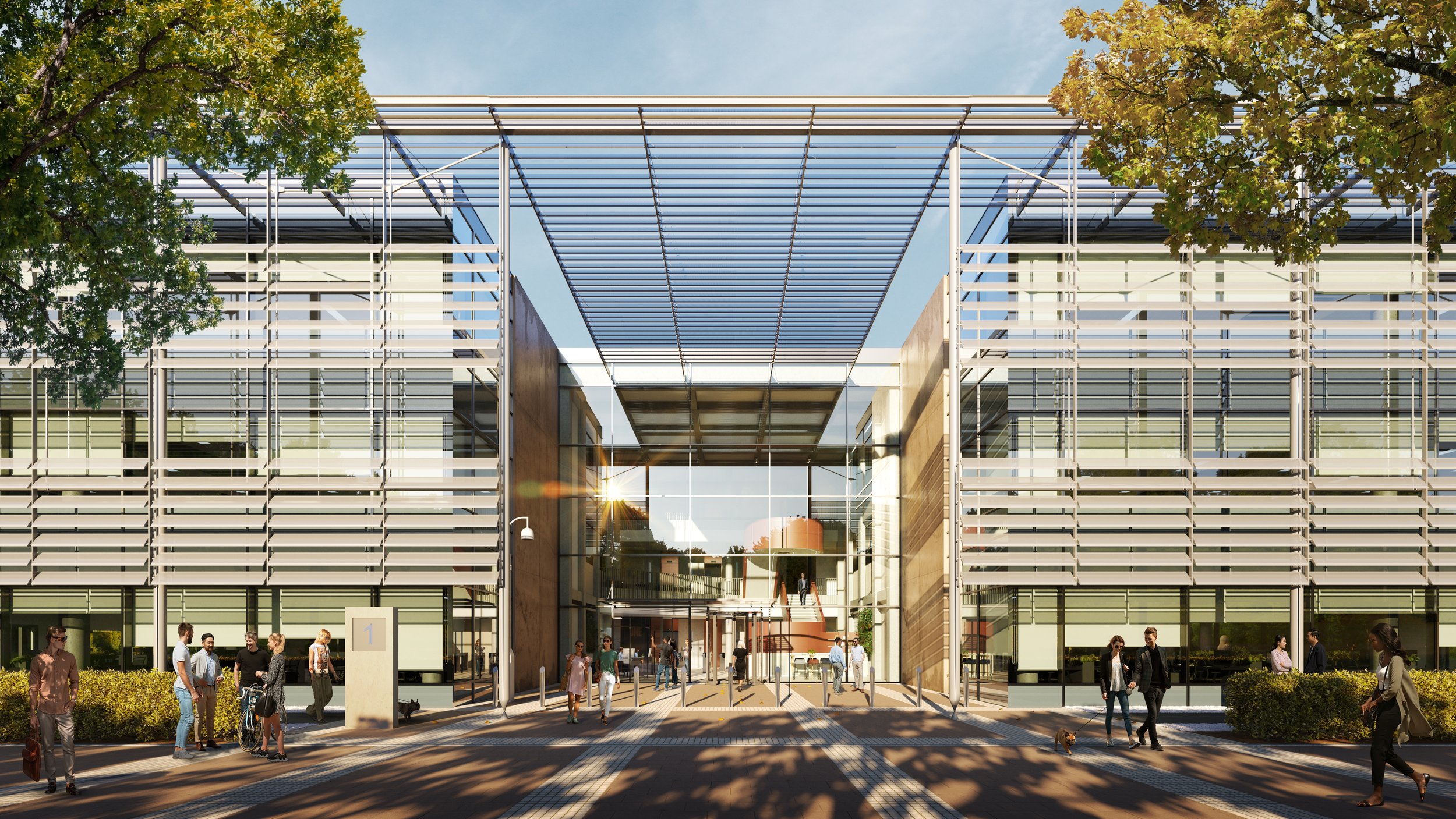
Many people hear the word branding and immediately think about logos, colours or typography. That's only the final layer. A brand is really a promise, it's the reason someone remembers your project after they've looked at twenty others.
A name like Green Residence tells people almost nothing. A name like Bosco Verticale immediately creates a picture in your mind. The same idea applies to every part of your marketing. If your website talks about family life, your renders should show family life. If your project is about outdoor living, the landscape shouldn't be a background element, it should become the main character. Every decision should reinforce the same idea. That's how projects become memorable.
Once you know the answers to those identity questions, you can actually start building that promise into something people can see and feel. But trust isn't something you can grab off the shelf. It's built over years, and it takes real investment to earn it, not just a good campaign. Think of your building as an extension of your image. Does it speak your language? Does it define you or your company, or could it belong to anyone? A development that answers those questions honestly is one that earns trust instead of just asking for it.
This is what Branding really means
Most developers already have plenty of material to work with. Websites, social media, construction updates, short videos, virtual tours, AI-generated content, the volume isn't the problem anymore. What's missing isn't more assets, it's smarter visuals, images and content built to communicate one clear idea and actually connect with the people looking at them. The projects that succeed won't necessarily have the biggest marketing budget or the largest content library. They'll be the ones that use what they have to build trust and identity, where every piece of content tells the same story and adds up to something a buyer remembers.
So… where is the industry heading?
At Storyform, we don't see architectural visualization as the final step of a project, we see it as part of the brand. That's why we spend time understanding the people who will live there before we think about lighting or camera angles. Who is this development for? What makes it different? What should people remember a week after seeing it?
Those answers shape every image we create, because our goal isn't simply to produce beautiful renders. It's to help create projects that people remember. Finding an identity and putting it in front of the right audience isn't a one-step job, it's a journey, and this is exactly what we help with. We can't promise miracles, but we can guide a development from start to finish, helping it find that identity and shine among a multitude of look-alike projects instead of getting lost in the scroll.
How we think at STORYFORM
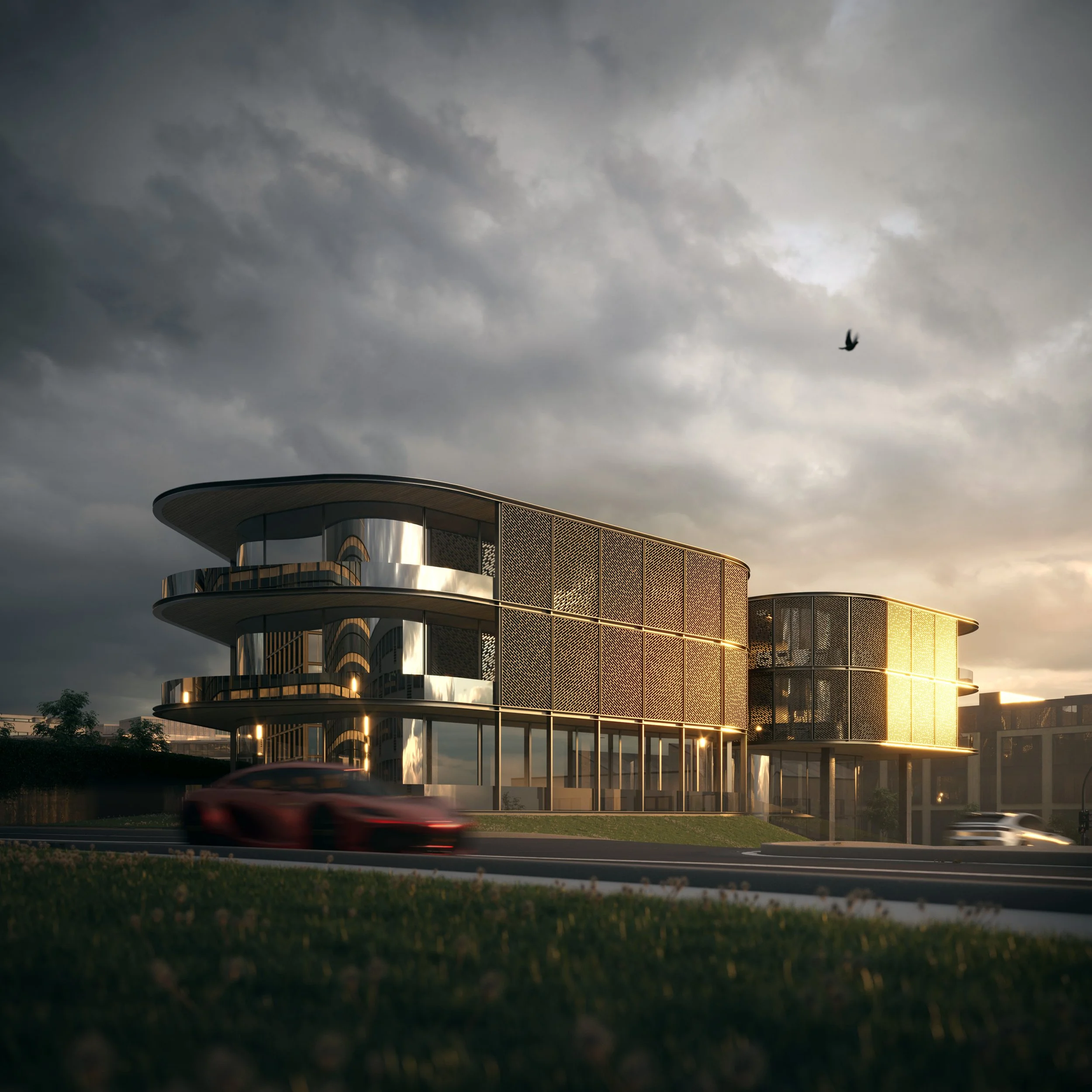
Does your real estate development answer these questions easily? If not, please get in touch and we'll help you create an identity worth remembering.

Norbert Dumitrescu is the founder of Storyform Studio, a premium architectural visualization practice based in Cluj-Napoca, Romania. He has spent ten years working with architects, developers, and visualization studios across Europe, US and UAE.
Other similar articles:
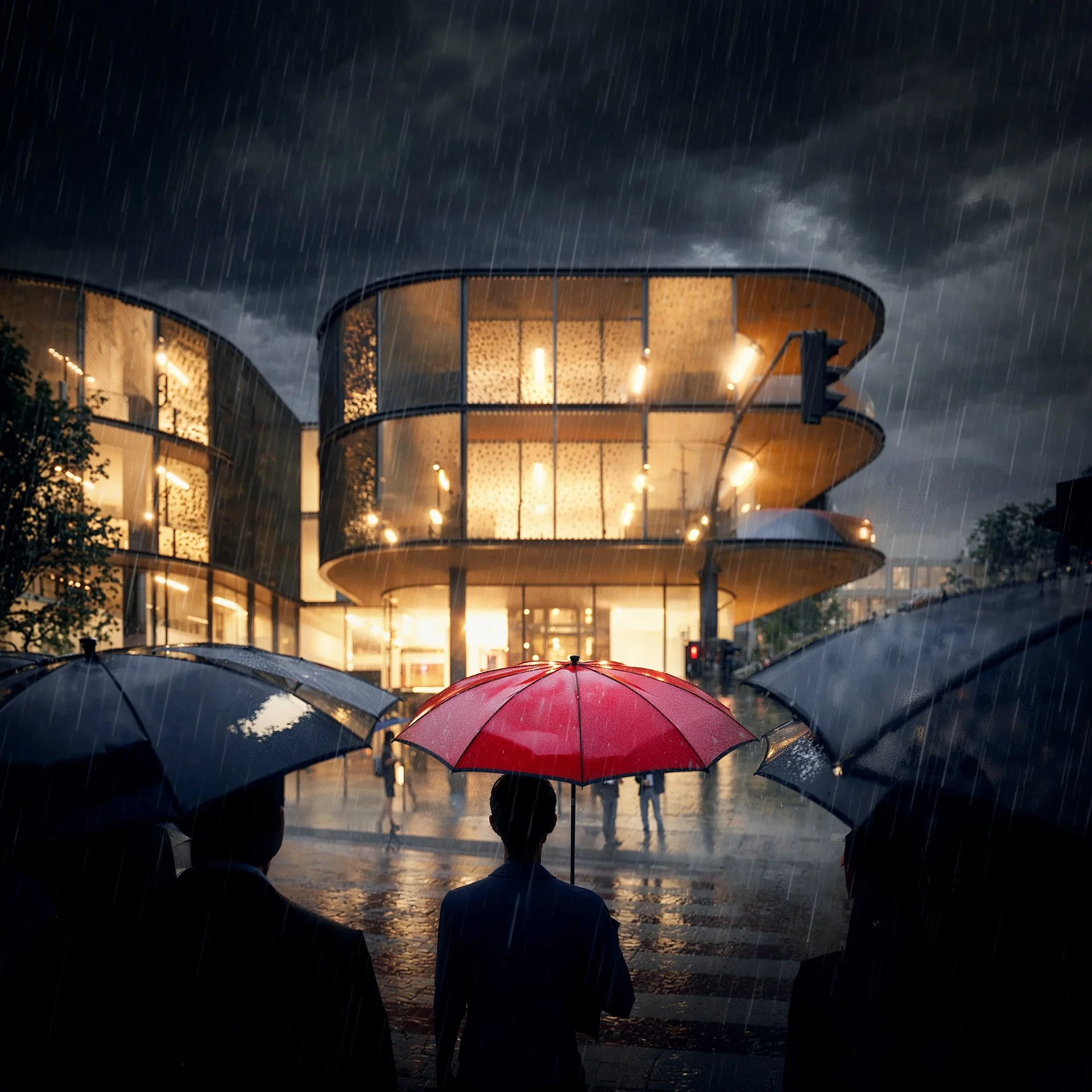
AI is here. It is not going away. And anyone still positioning themselves as being "against" it is having the wrong conversation. The more honest question, the one architects and developers should actually be asking, is not whether to use AI in architectural visualization, but where it earns its place and where it quietly misleads you.